MLB Team Uniforms: The History, Significance, and Evolution of Baseball’s Identity
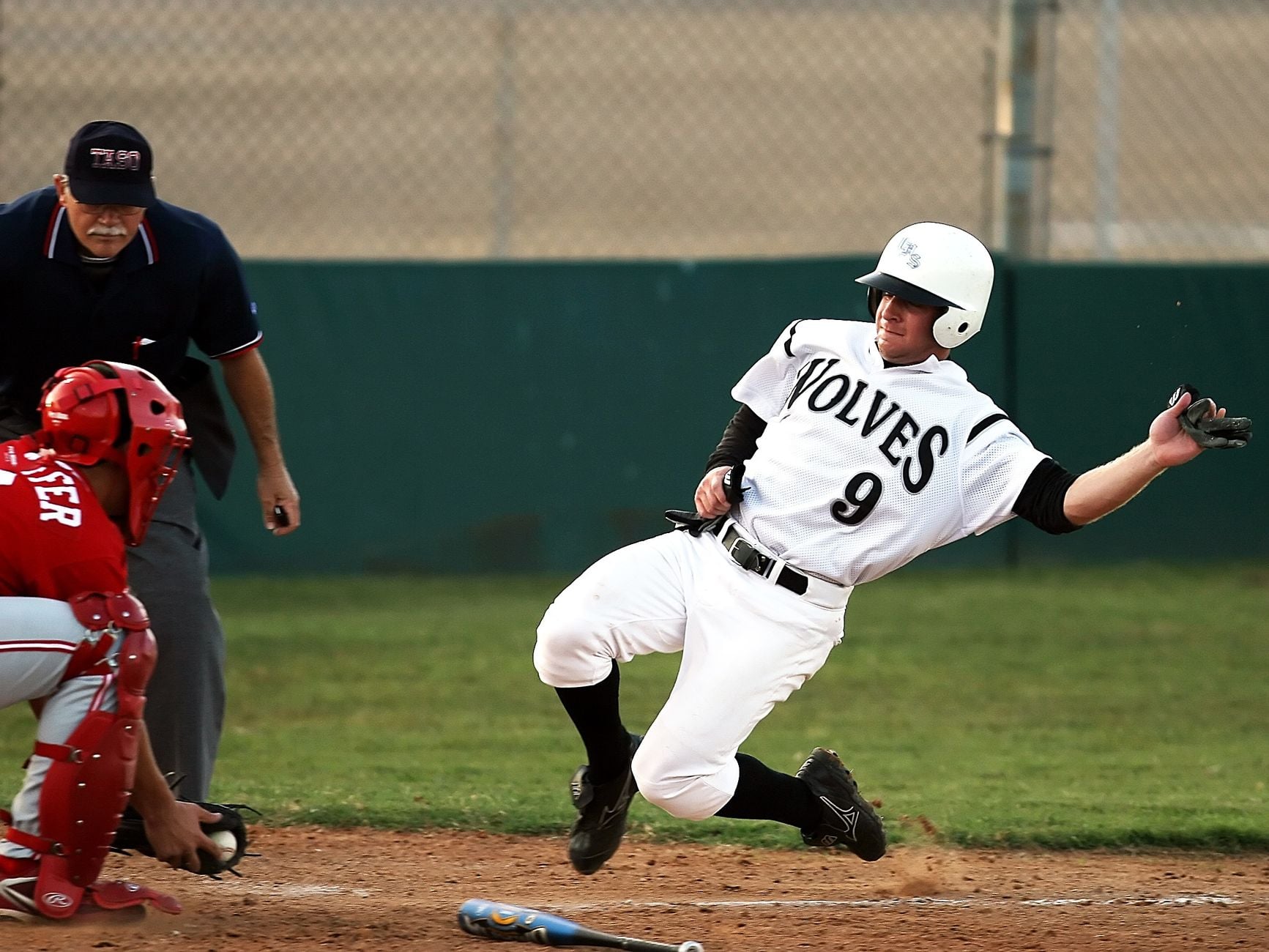
Baseball uniforms represent far more than functional athletic wear—they embody franchise history, regional pride, and the visual language through which fans worldwide identify with their teams. The distinctive pinstripes of the Yankees, the interlocking ‘S’ of the Mariners, and the cardinal symbols worn by St. Louis players evoke generations of memories and emotional connections that transcend the game itself. Modern uniforms incorporate technological advances that professional athletes demand while maintaining design traditions dating back a century or more. Understanding the history and significance of MLB uniforms reveals how seemingly simple clothing choices carry profound meaning for players, organizations, and devoted followers who represent their teams through replica jerseys worn across countless contexts.
The Origins of Professional Baseball Uniforms
Baseball uniforms evolved gradually from the late 19th century, when players wore simple knickers and long-sleeved shirts reflecting general athletic fashion of the era. Early franchises lacked standardized appearance protocols, with teams gradually adopting distinctive colors and design elements to differentiate themselves during increasingly competitive seasons. The Cincinnati Red Stockings, established in 1869, pioneered professional baseball’s first consistent uniform identity, establishing that distinctive branding enhanced fan recognition and team identification. Modern MLB uniforms trace their aesthetic directly to these pioneering standards, with contemporary designs maintaining traditions established when baseball itself was still establishing professional credibility. This remarkable continuity—uniforms recognized today remain visually similar to garments worn more than a century ago—demonstrates how powerful these design choices have proven in creating lasting organizational identity.
Regional Colors and Franchise Identity
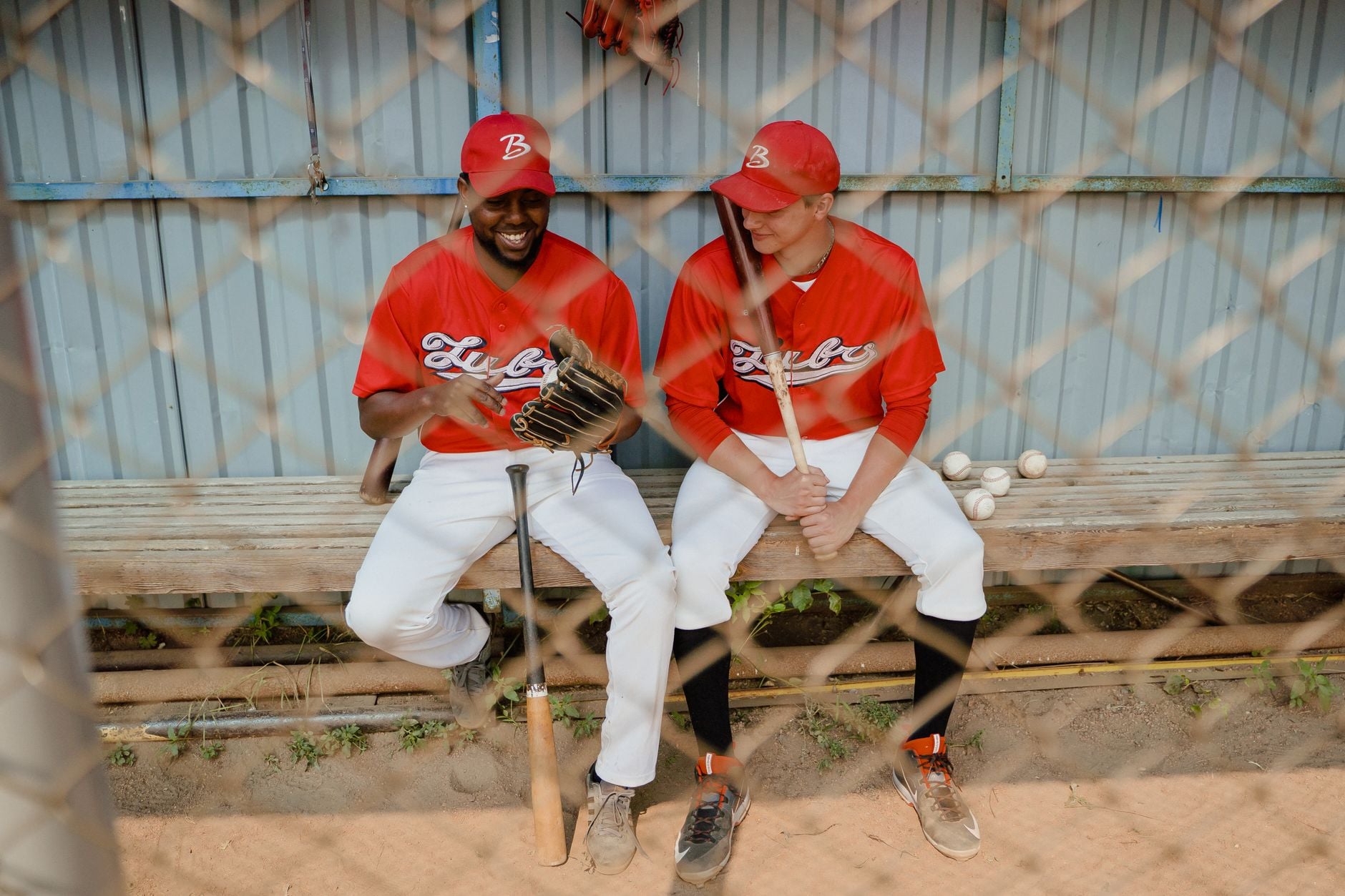
Team colors function as visual shorthand for franchise identity, instantly communicating affiliation through minimal visual information. The Boston Red Sox’s deep red, the Chicago Cubs’ royal blue, and the San Francisco Giants’ orange-and-black combination represent more than aesthetic preferences—these color choices became inseparable from how fans conceptualize their favorite franchises. Official MLB uniform collections preserve these traditional color identities even as design details modernize and evolve. Some franchises have experimented with alternate uniforms featuring alternative color combinations, yet overwhelmingly maintain traditional colors across primary uniforms that fans associate with decades or centuries of franchise history. This consistency provides continuity that allows fans wearing vintage jerseys to stand alongside contemporary fans without visual discord—a remarkable achievement in sports merchandise where fashion trends typically demand constant reinvention.
Design Elements That Define Franchise Character
Successful uniform designs incorporate memorable visual elements beyond simple color choices. Lettering styles, logo placement, sleeve details, and piping patterns combine to create instantly recognizable silhouettes that distinguish franchises even when observing only uniform outline without identifying colors. The Yankees’ iconic interlocking ‘NY’ logo has appeared on uniforms virtually unchanged for over a century, immediately communicating franchise identity through minimal visual information. The distinctive ‘B’ worn by Boston Red Sox players connects contemporary athletes to franchise origins dating back to the early 20th century. When purchasing MLB merchandise, these design details matter significantly—authentic reproductions preserve subtle elements that distinguish genuine pieces from casual alternatives, allowing fans to wear uniforms matching professional standards rather than simplified generic versions.
The Modern Era: Technology Meets Tradition
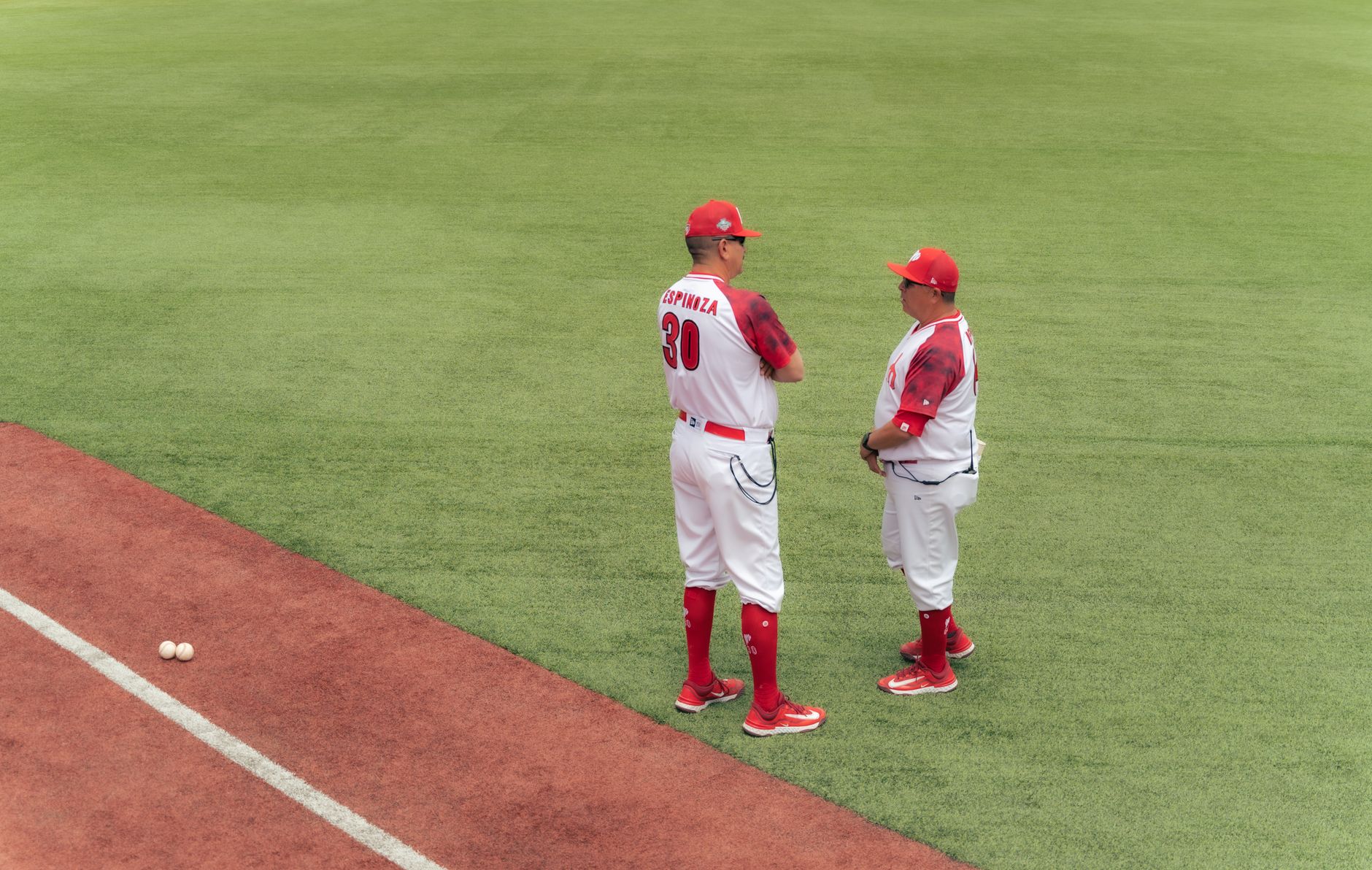
Contemporary MLB uniforms incorporate technological advances that previous generations would have recognized as science fiction. Modern fabrics feature moisture-wicking properties that keep athletes cool and dry during hot-weather games, eliminating the sweat-soaked uniforms that earlier generations accepted as inevitable consequences of athletic exertion. Lightweight synthetic materials provide enhanced durability and flexibility compared to traditional wool and cotton blends, allowing athletes greater range of motion essential for modern baseball’s athleticism. Official MLB uniform designs balance technological innovation against design traditions, maintaining visual continuity while delivering performance benefits that professional athletes demand. This balance proves challenging—some recent redesigns have prompted backlash from traditional fans viewing modern interpretations as overly trendy—yet most franchise updates succeed in respecting historical aesthetic while clearly communicating contemporary professional standards.
Alternate Uniforms and Special Occasions
Modern MLB strategy incorporates alternate uniform designs worn for specific contexts, expanding visual variety while maintaining primary traditional uniforms. Some franchises feature throwback designs celebrating franchise history, occasionally worn on anniversary dates or special promotions. All-Star Game uniforms diverge from traditional team colors, creating distinctive visual identity for baseball’s premier mid-season celebration. Postseason uniforms occasionally feature subtle modifications or special insignia commemorating playoff status. This strategy allows contemporary fans to appreciate design evolution without abandoning historical identity—traditional uniforms remain primary while alternate designs provide seasonal variety and thematic commemorations. Collectors increasingly value alternate uniforms as distinctive pieces complementing traditional designs, with rare and limited alternate editions commanding premium prices among enthusiast communities.
Why Uniform Choices Matter Beyond Appearance
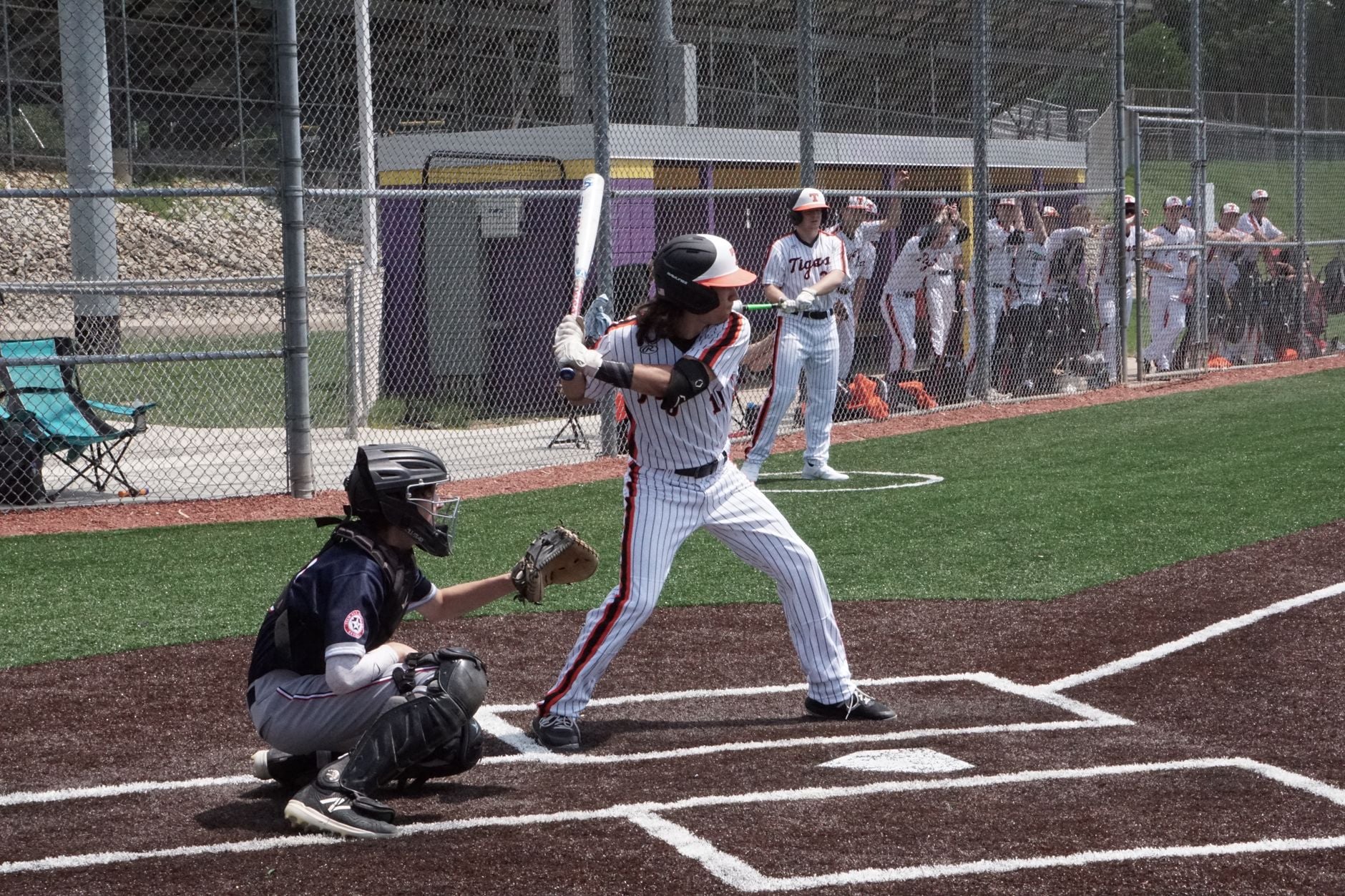
Franchise uniform choices carry weight extending far beyond aesthetic considerations. Uniform modifications occasionally generate unprecedented fan controversy, with passionate resistance to perceived threats to traditional identity. When teams have attempted to modify logos or primary colors, fan campaigns occasionally influenced organizational decisions, demonstrating how central uniform identity proves to emotional franchise connection. Successful uniform designs become cultural touchstones—rival fans instantly recognize opponents, children identify their heroes through distinctive apparel, and collectors preserve uniform pieces as tangible connections to memorable seasons. This emotional significance explains why authentic uniforms command premium prices and why inferior counterfeits prove particularly offensive—genuine uniforms represent legitimate organizational investments while fakes trivialize the traditions and history they ostensibly honor.
Wearing Your Team’s Uniform Identity
Fans express team loyalty through uniform reproduction, connecting personally to traditions spanning generations and representing collective franchise history. Authentic jersey ownership transforms passive spectatorship into active identity representation, communicating allegiance and shared values with fellow fans worldwide.